On Family History and AI

Earlier this year, I wrote a post about using AI in your study of the Gospel. The feedback has been great. It's clear that many of us are trying to find the best way to use these new capabilities in the most beneficial ways. As with any new technology, it should be treated as a tool that works for you and be used with intent. Now a little something on using AI with family history:
A Bridge in Switzerland
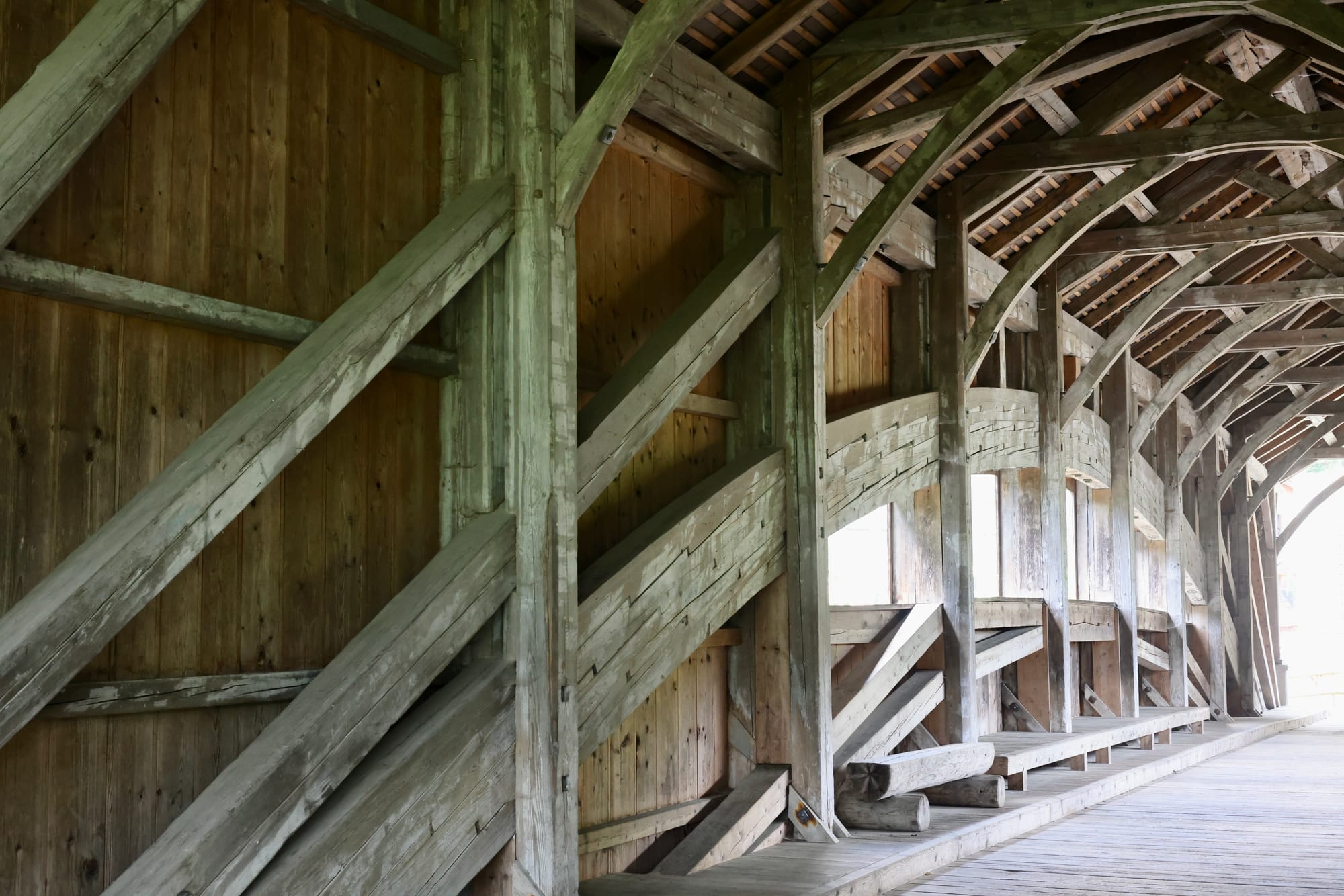
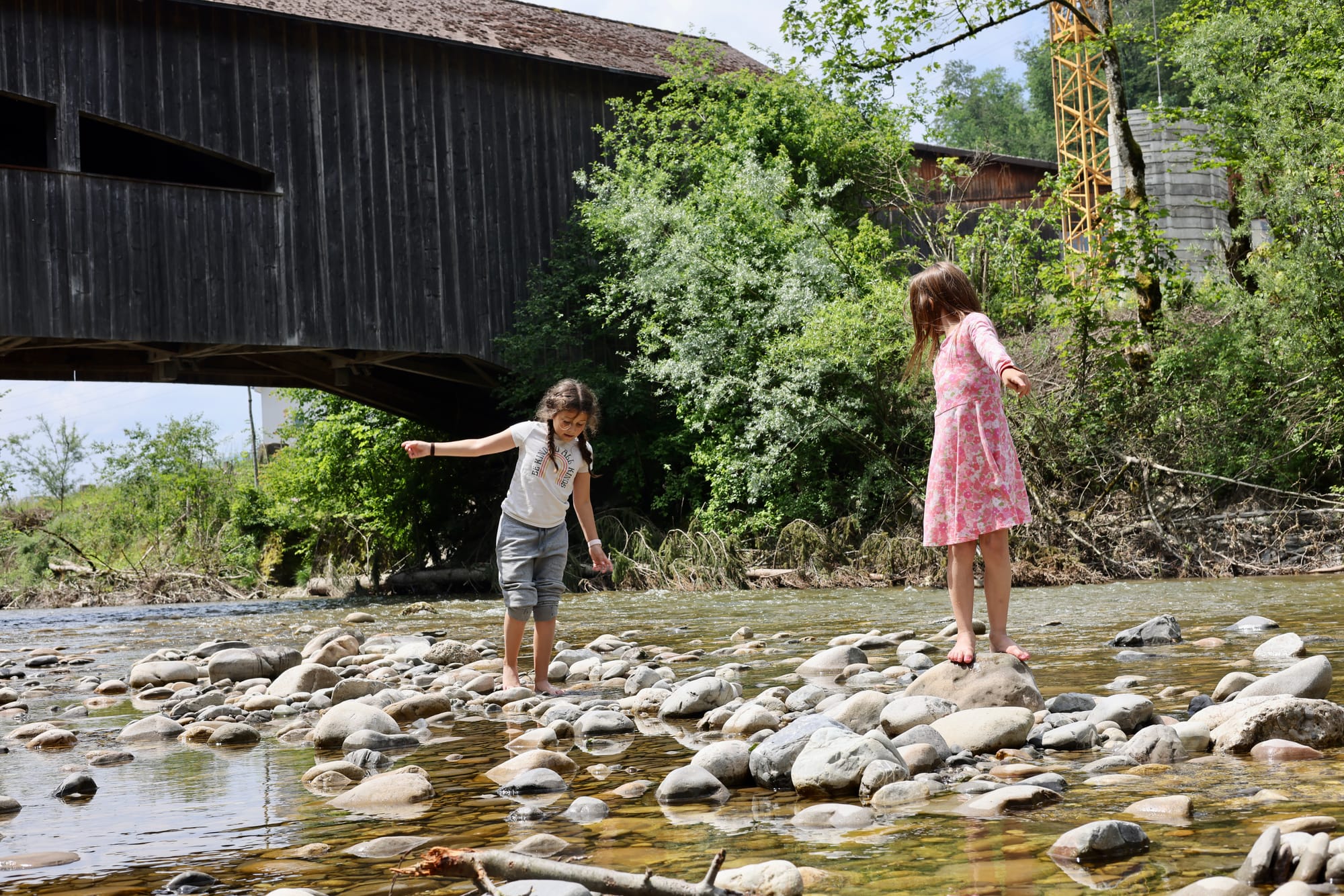
Just over ten years ago, our family was led to a bridge in Switzerland that was built by our ancestors. It was a very real moment of turning "the heart of the fathers to the children, and the heart of the children to the fathers."
We've since brought our own children back and taught them about this unique design and its connection to our past.
Earlier this week, I gave Claude access to everything I have in my "Stucki Family History" folder and instructed it to confirm the information, help me piece it together, and search out more information. It really delivered!
Understanding that family history is mostly interesting to the family involved, let me just provide a brief example:
Bridge Praise From a Major Swiss Writer
Jeremias Gotthelf is considered one of the most important Swiss-German prose writers of the 19th century, but at the time this bridge was being built, he was a young, fairly new pastor in a nearby town. His very first published work was called "Die Wassernot im Emmental" which translates to "The Flood Disaster in the Emmental."
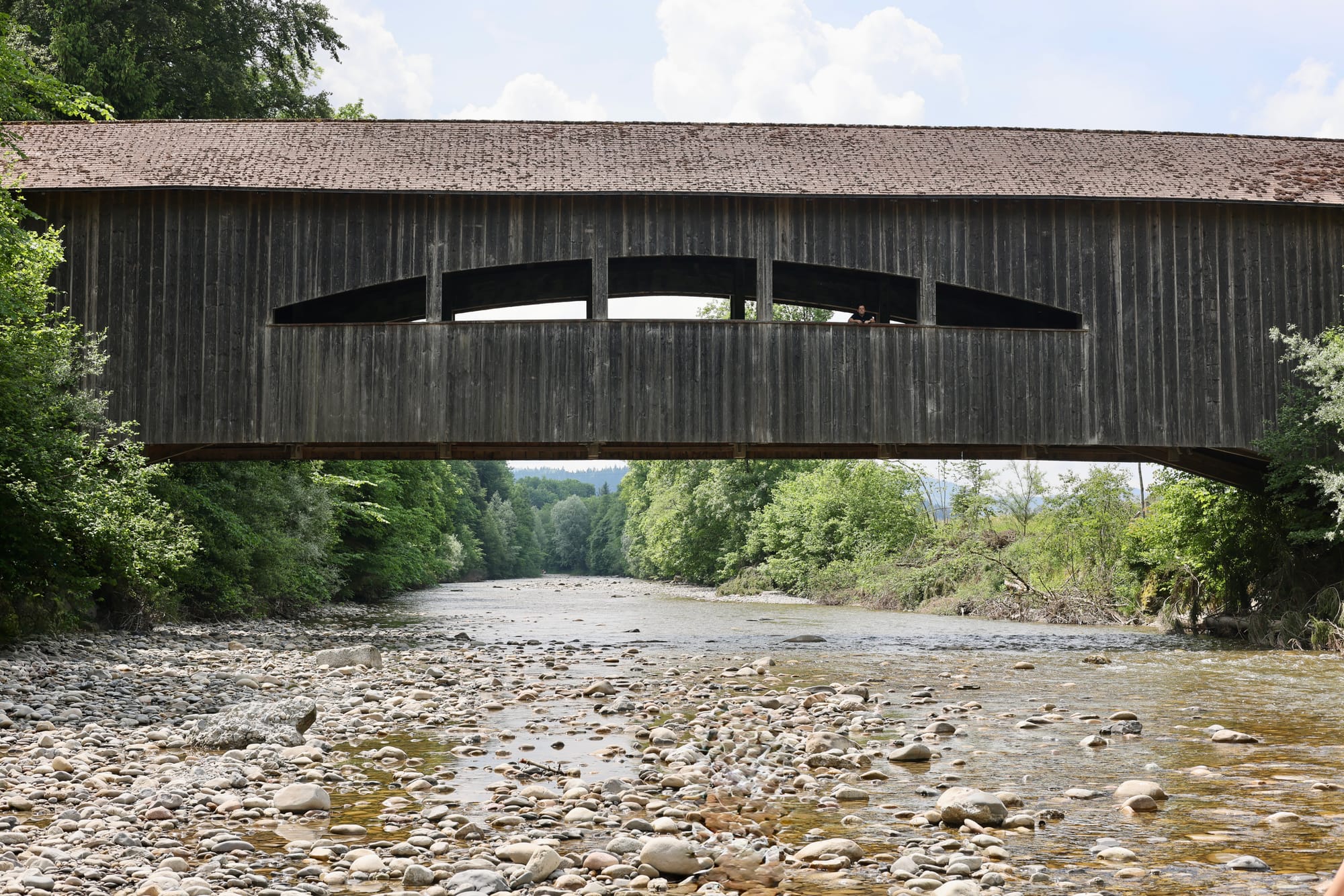
He notes that the flood destroyed every other bridge on the upper Emme river but the Horbenbrücke (our bridge), thanks to its pier-less arch design, was the only bridge that survived undamaged. It's considered the "pioneer and secret queen" of Emmental bridge-building as the first arch bridge of its kind in the region, and a model for later bridges built in the area.
Gotthelf may have many famous and interesting works, but this little report (his first hand account) is my favorite.
Seeking More Info
As the information came back and I learned more about the bridge, the region, and the history, I asked Claude to locate some historical societies in the area. It found some promising groups, located the contact info, and helped me draft emails in German using the details of our chat and a request seeking more information.
Another Structure to Find
After hearing back from the very friendly and helpful Fritz Bieri with links and suggestions, I gave Claude some new areas to look into while also noting all we've covered already.
The more direction you give to AI, the better the results can be.
In short, I ended up with all sorts of leads on the now 300+ years that the Stuckis have lived in this area of Switzerland. I love that so many of the official government and religious records located have pointed to them living "in the hills" as an official location.
One specific lead seems promising: with help from Fritz and Claude, I've located a barn built in 1829 on land where Johannes Stucki (my 5th great-grandfather) lived.
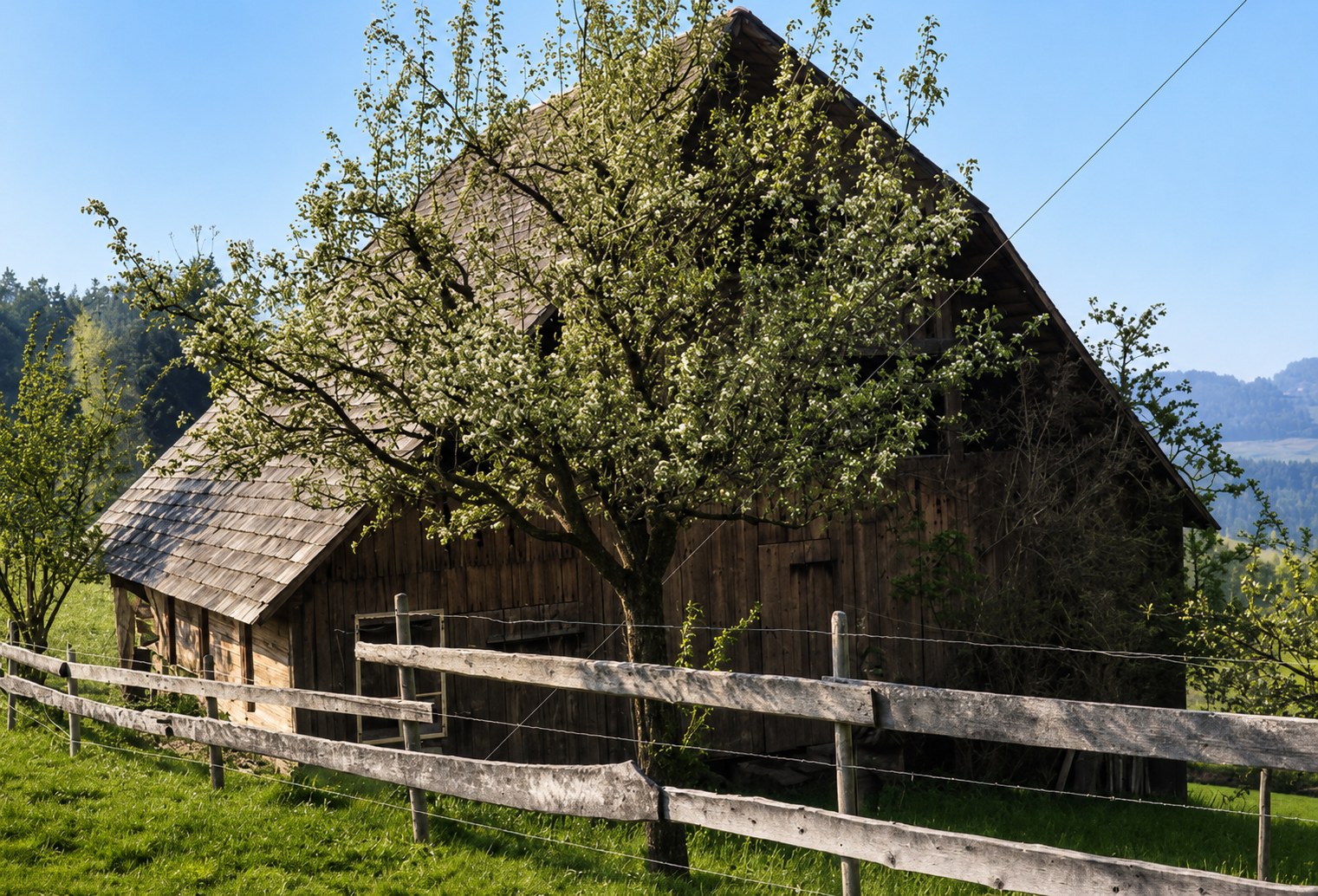
I like to think that Johannes Stucki, at this time just 29 years old and with four kids under the age of 5, needed a place for some peace and quiet to do his work...work that may include designs and plans for a bridge that was built just a few years later.
Either way, I'll be finding this spot the next time I go to Switzerland.
The AI Recipe for Family History
If you'd like to give this a try, here are some things to keep in mind:
- Give your AI app access to everything you have already in files, documents, and website accounts
- Direct the client to always provide clickable links to references found online
- When interesting results comes back, instruct it to double check the information and, if accurate, tie it in to what is already known and explain the connections for a full picture
And if your search ends anything like mine, you may as well ask it to check your calendar, ignore your bank account, and book a flight to your homeland.